

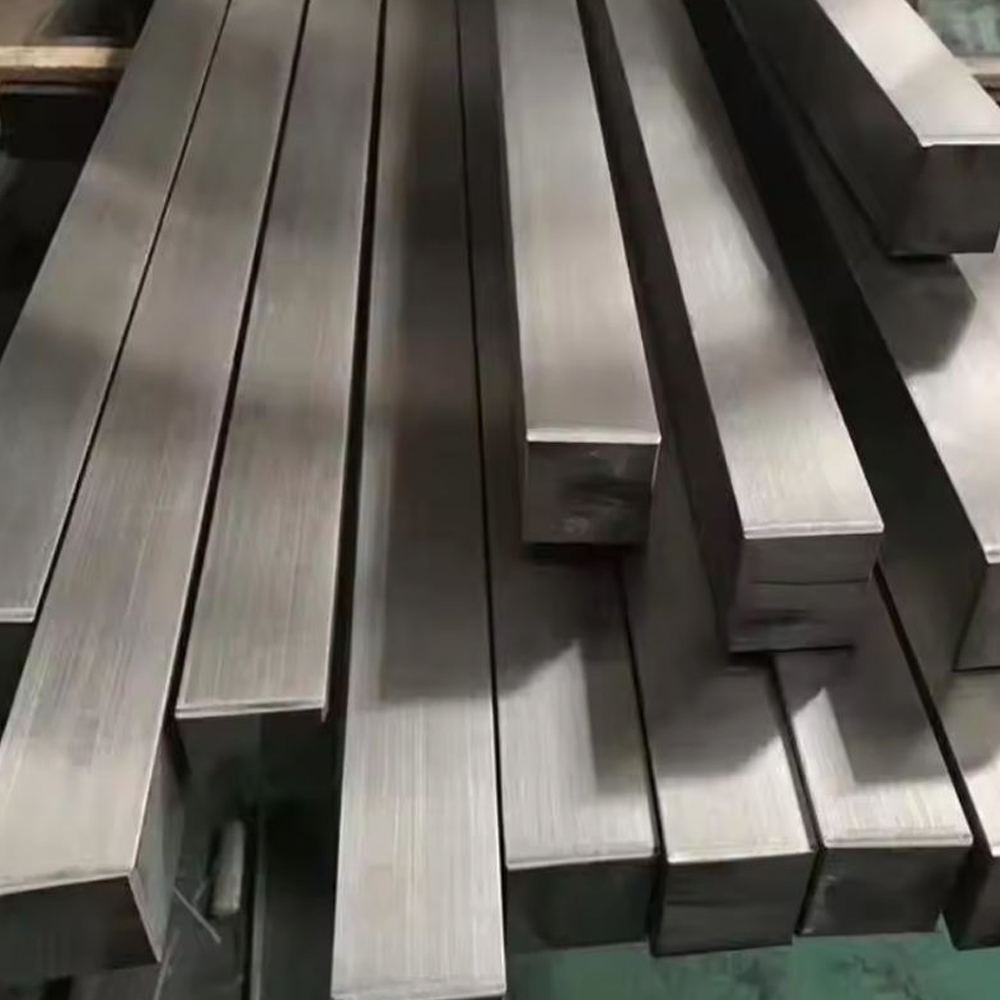
17-4 PH Stainless Steel Bar
17-4 PH Stainless Steel Bar is a highly versatile and widely used precipitation-hardening alloy used in various aerospace, nuclear energy, and chemical processing applications. One of the original “PH” (precipitation hardening) grades, 17-4 delivers a combination of oxidation and corrosion resistance, along with high strength, toughness, and the capability of achieving numerous quality mechanical properties through heat treating at various temperature ranges. 17-4 can be machined in the annealed condition and in the heat treated state. Maximum toughness is achieved by aging at 1150°F, while maximum strength is attained through aging at 900°F.


303 Stainless Steel Hex Bar
Stainless Steel Hexagon Bar 303 is a hexagonal-shaped 303 Stainless Steel Alloy Bar. 303 Stainless Steel Hex Bar is a chromium-nickel stainless steel with added sulfur or selenium and phosphorus to improve machinability and non-seizing properties. It is the freest machining of the chromium-nickel grades. When annealed, non-magnetic properties are produced.
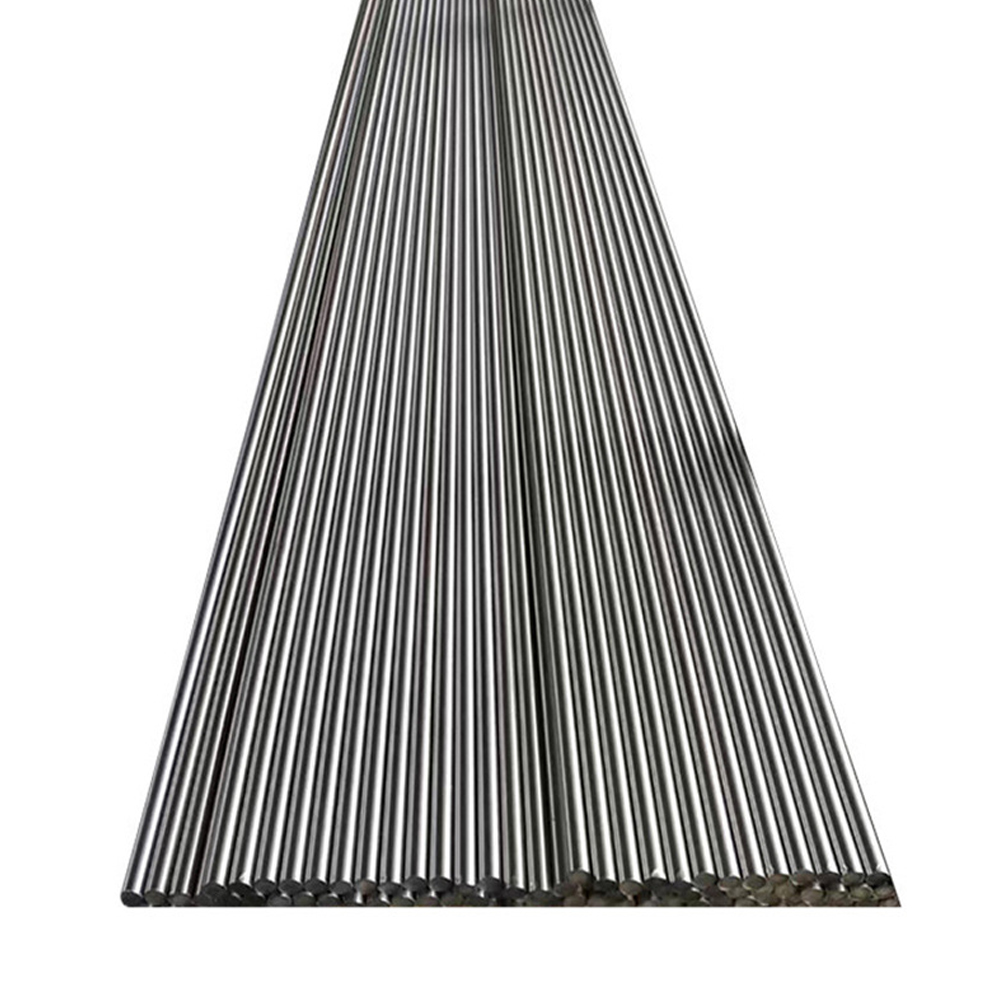

317 Stainless Steel Bar
317 Stainless Steel Bar is an austenitic stainless steel that contains molybdenum. This grade has improved corrosion resistance over 304/304L and 316/316L.

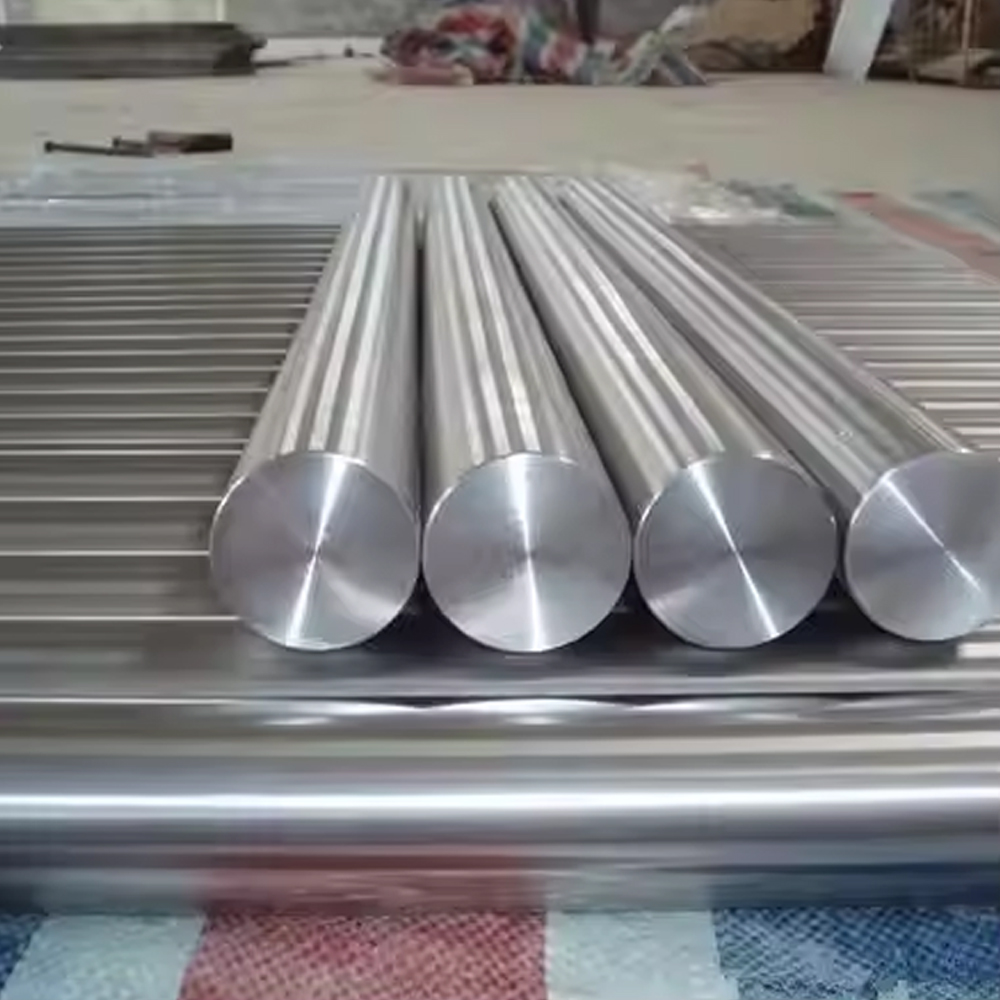
410 Stainless Steel Bar
410 is the basic, general purpose, hardenable martensitic stainless steel. It is used for highly stressed parts with good corrosion resistance and strength.


Stainless Steel Bar/Rod
Corrosion-resistant 303/416 stainless steel bars for CNC machining and valve components. Centerless ground for superior surface finish. Bulk discounts on 5+ tons.


Stainless Steel Round Bar 321
Stainless Steel Round Bar 321 is a titanium-stabilized austenitic stainless steel with good general corrosion resistance. It has excellent resistance to intergranular corrosion after exposure to temperatures in the chromium carbide precipitation range of 800 – 1500°F (427 – 816°C). The alloy resists oxidation to 1500°F (816°C) and has higher creep and stress rupture properties than alloys 304 and 304L. It also possesses good low-temperature toughness.