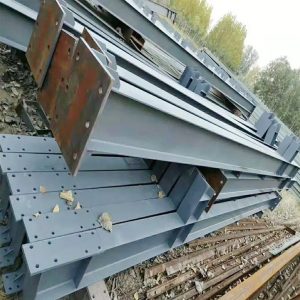
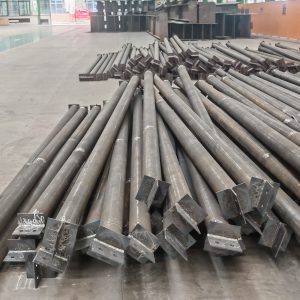
Steel structures are frameworks primarily made of structural steel components such as beams, columns, and plates. Known for their exceptional strength-to-weight ratio, durability, and flexibility, steel structures are essential in modern construction including high-rise buildings, industrial facilities, and infrastructure projects.
Steel structures are frames or buildings that are primarily made of steel components. These components may include steel beams, steel columns, and steel plates, which are connected to form a load-bearing structure. Steel structures come in many forms, from simple residential buildings to complex industrial facilities.
The 4 Types of Steel Structures
Steel structures can be classified into four main types:
Simple Structures: These are the most basic steel structures, often used in small buildings, homes, and warehouses. They consist of columns and beams without additional structural elements.
Rigid Frame Structures: Rigid frames provide enhanced stability and are commonly used in commercial buildings, aircraft hangars, and sports arenas. They feature rigid connections at joints, making them highly stable.
Truss Structures: Truss structures are characterized by their triangular shape and are used in bridges, shingle roof installation, and transmission towers. They are known for their strength-to-weight ratio.
Arch Structures: Arch structures, as the name suggests, feature an arched shape. They are used in applications like tunnels, large warehouses, and gutter installation & replacement, where their unique design offers exceptional strength and stability.
Common Steel Grades
Grade
Yield Strength (MPa)
Primary Applications
A36
250
Beams, plates, and columns for general construction
A572
345
High-rise buildings, bridges, and infrastructure projects
A992
345–450
Structural framing (W-shapes) in commercial buildings
A500
310–414
Tubular columns, mechanical components, and hydraulic systems
S31803
450
Marine environments, chemical processing (Duplex stainless steel)
Advantages of Steel Structures
Superior Strength and Load-Bearing Capacity
High Durability and Corrosion Resistance
Fast Construction and Easy Installation
Flexible Design and Aesthetic Appeal
Recyclable and Environmentally Friendly
Applicationsof Steel Structures
Skyscrapers and Commercial Buildings
Industrial Warehouses and Factories
Bridges and Tunnels
Stadiums and Hangars
Residential Housing Projects
Why Choose Steel Structures?
Advantage
Description
Impact on Projects
Durability
Corrosion-resistant coatings and high tensile strength ensure a lifespan of 50 years or more.