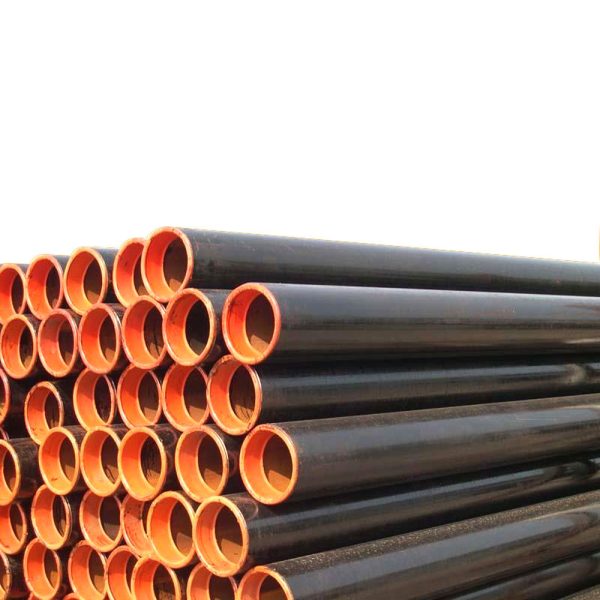
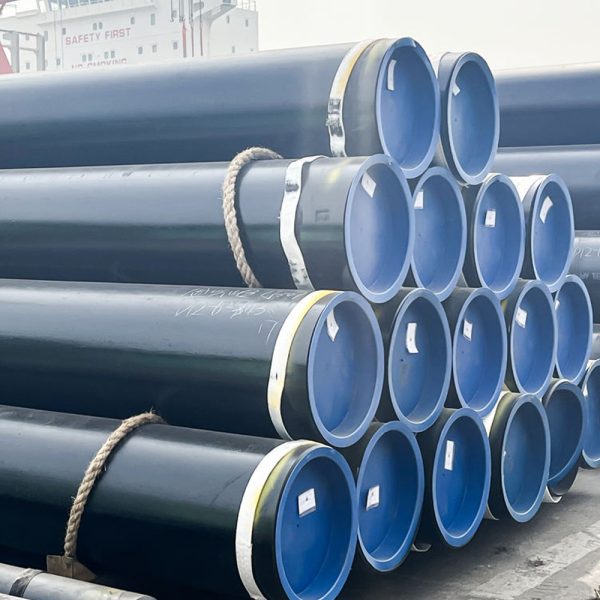
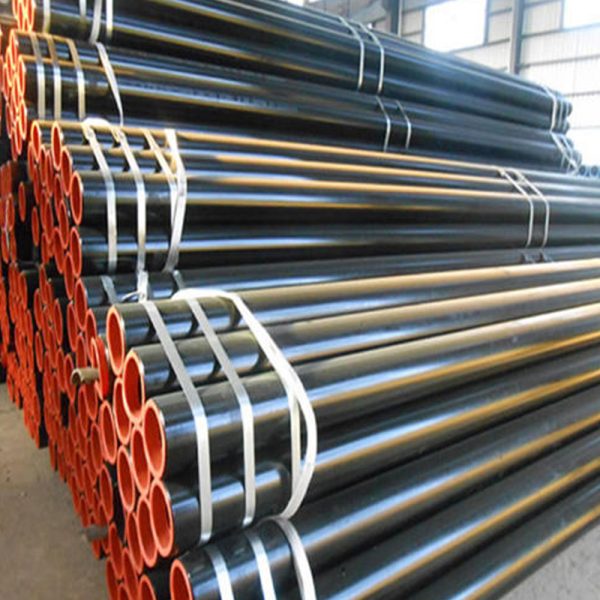
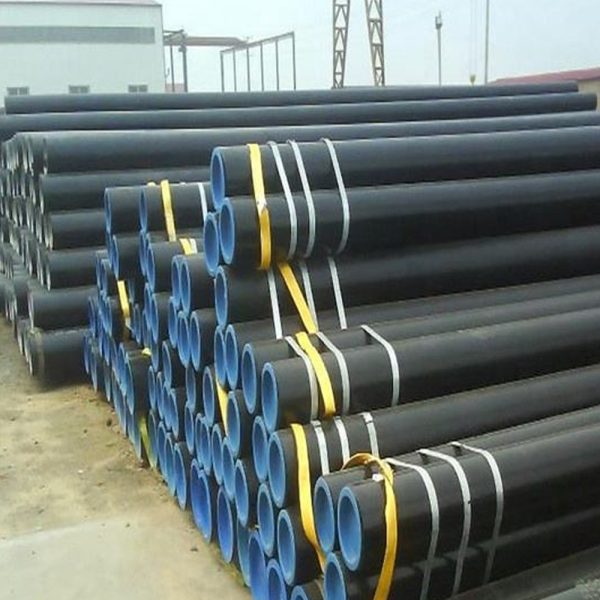
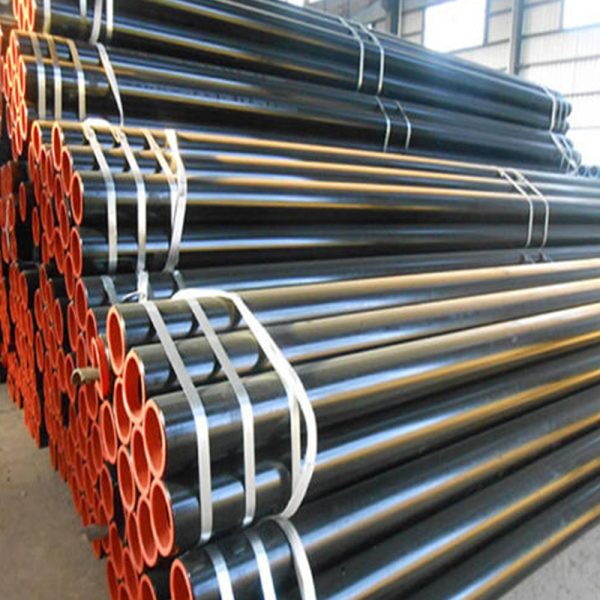
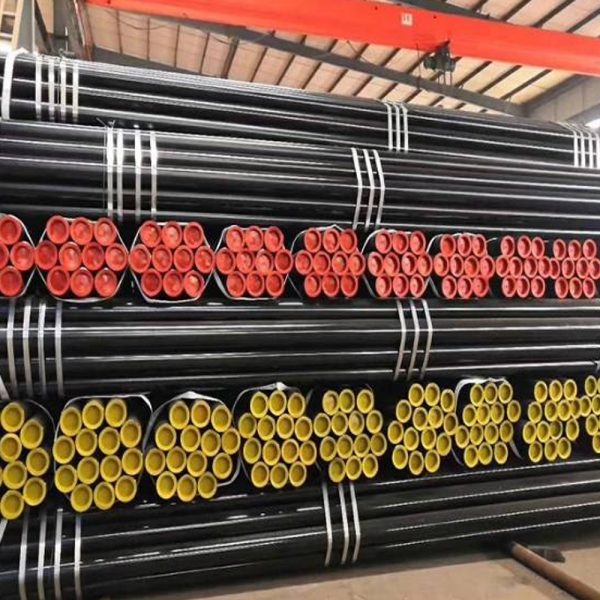
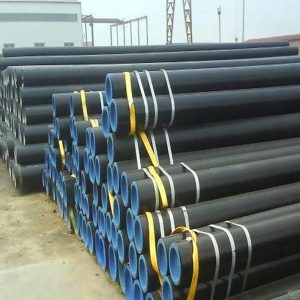
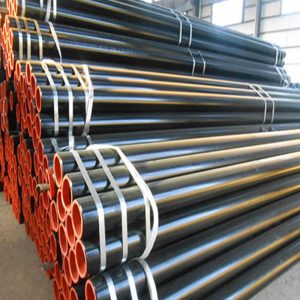
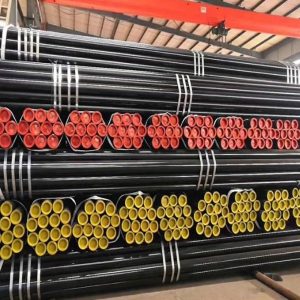
API 5CT N80 pipe
API 5CT N80 pipe grade is defined by the American Petroleum Institute (API) specification for Oil Country Tubular Goods (OCTG). Known for its strength and resistance to corrosion and cracking, N80 steel provides exceptional performance in challenging drilling conditions. It is frequently chosen for high-pressure and deeper well applications.
API 5CT N80 is a type of steel pipe that is typically used in well applications. It is manufactured to the specifications laid out in the API (American Petroleum Institute) standards. The N80 designation means that this pipe has been tested and meets specific mechanical and chemical properties requirements. This type of pipe is most often used in casing and tubing applications in the oil and gas industry. It is also known as OCTG (oil country tubular goods). The main difference between N80 and other steel grades is that this pipe has been specifically designed to protect against wellbore environments. As a result, it has higher levels of impact resistance and tensile strength than standard steel pipes.

Product Description
| Product Name | API 5CT N80 |
|---|---|
| Size | O.D: 26.67–508mm |
| W.T: 2.87–16.13mm | |
| Length: R1(5.49–6.71m), R2(6.23–9.14m), R3(11.58–13.72m) | |
| Type of End Finish | 1. Plain end 2. Short round thread 3. Long round thread 4. Buttress thread |
| Surface | 1. Black Painted 2. With oil 3. Bared or as per the customers’ requirement |
| Standard | API 5CT |
| Application | Tube for conveying gas, water, and oil in both the natural gas industries, etc. |
CHEMICAL COMPOSITION OF API 5CT N80 pipe
| Grade | C | Si | Mn | P | S | Cr | Ni | Cu | Mo |
|---|---|---|---|---|---|---|---|---|---|
| N80 type1/Q | 0.34–0.38 | 0.20–0.35 | 1.45–1.70 | 0.020 | 0.015 | 0.15 | / | / | / |
MECHANICAL ANALYSIS OF API 5CT N80
| Grades | Yield Strength (MPa) | Tensile Strength (MPa) | Elongation under load, % |
|---|---|---|---|
| N80 type 1 | 552–758 | 689 | 0.5 |
| N80 type Q | 552–758 | 689 | 0.5 |
Manufacturing processes of API 5CT N80 casing
The production process of steel casing pipe typically involves the following key steps:
(1)Raw Material Selection
High-quality steel, often in the form of steel coils, is selected as the raw material for the casing pipe production.
(2)Forming and Welding
The selected steel is formed into the desired cylindrical shape through processes such as roll forming or continuous welding, depending on the specific requirements of the casing pipe.
(3)Weld Seam Inspection
After the welding process, the weld seam undergoes a thorough inspection to ensure its integrity and adherence to industry standards.
(4)Heat Treatment
The casing pipe may undergo heat treatment processes such as normalization or quenching and tempering to achieve the desired mechanical properties and enhance its durability.
(5)Surface Coating
To protect the steel casing pipe from corrosion and provide additional mechanical properties, it may undergo surface coating processes such as galvanizing, epoxy coating, or other anti-corrosion treatments.
(6)Final Inspection and Testing
The finished casing pipes undergo comprehensive inspection and testing to ensure dimensional accuracy, mechanical properties, and adherence to relevant standards and specifications.
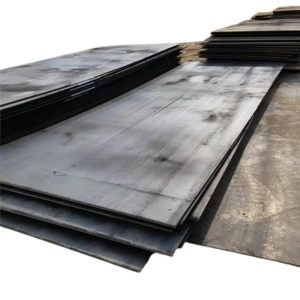
(7)Storage and Shipment
Once the production process is complete and quality checks are passed, the steel casing pipes are stored appropriately and prepared for shipment to customers or other further processing facilities. This process ensures the production of high-quality steel casing pipes that are used in various applications, including oil and gas exploration, water well drilling, and underground infrastructure construction.
Applications
N80 casing and tubing are versatile, suitable for numerous oil and gas applications, including:
- High-pressure wells
- Deep oil and gas wells
- Wells with corrosive environments
- Production and injection wells
- Onshore and offshore drilling operations
Application
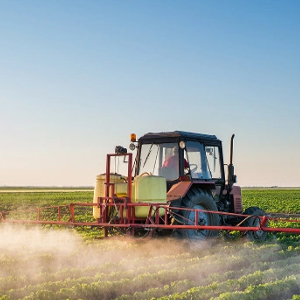
Agricultural Modernization
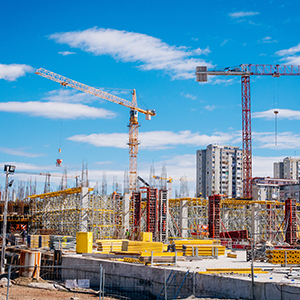
Construction Engineering
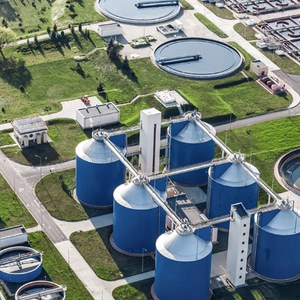
Environmental Protection Engineering
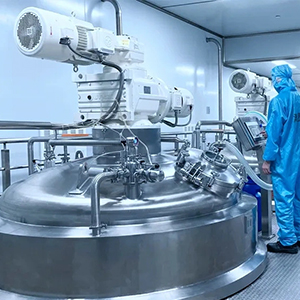
Food Processing Industry
Intelligent Home Appliances
Medical and Health Field
New Energy Infrastructure