

Unleashing the Power of Stainless Steel Plates: The Ultimate Guide to Durability and Versatility
Stainless steel plates have become an essential component across numerous industries due to their exceptional strength, corrosion resistance, and adaptability. From construction and transportation to food processing and medical applications, stainless steel plates consistently demonstrate their unmatched utility and reliability. This comprehensive guide explores the various aspects of stainless steel plates, emphasizing their properties, types, applications, and maintenance to help you harness their full potential.
Introduction to Stainless Steel Plates
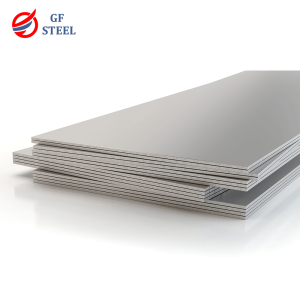
Stainless steel plates are flat, large sheets of steel alloy known for their corrosion resistance, strength, and aesthetic appeal. They are produced through various processes such as hot rolling and cold rolling, resulting in different surface finishes and mechanical properties.
These plates are integral in building durable structures, manufacturing equipment, and aesthetic design elements. Their adaptability makes them suitable for environments where exposure to elements or demanding conditions necessitates resilient materials.
Properties of Stainless Steel Plates
Understanding the properties of stainless steel plates is fundamental to appreciating their versatility and durability.
| Property | Description |
|---|---|
| Corrosion Resistance | Resistant to rust and oxidation, especially in the presence of moisture and chemicals. |
| Mechanical Strength | High strength-to-weight ratio, capable of bearing significant loads. |
| Temperature Tolerance | Maintains integrity under high and low-temperature conditions. |
| Hygienic and Easy to Clean | A non-porous surface allows for easy cleaning, making it ideal for food and medical applications. |
| Aesthetic Appeal | Attractive finish options, including polished and brushed textures. |
| Recyclability | 100% recyclable without loss of quality, supporting sustainability initiatives. |
Types of Stainless Steel Plates
Stainless steel plates are categorized based on their alloy composition, notably the presence of elements like chromium, nickel, molybdenum, and others. The main classifications include:
1. Austenitic Stainless Steel Plates
- Features: Non-magnetic, excellent corrosion resistance, high ductility.
- Common Grades: 304, 316, 321.
- Applications: Food processing, chemical containers, architectural panels.
2. Ferritic Stainless Steel Plates
- Features: Magnetic, good corrosion resistance, moderate strength.
- Common Grades: 430, 446.
- Applications: Automotive trim, domestic appliances.
3. Martensitic Stainless Steel Plates
- Features: Magnetic, high hardness and strength, moderate corrosion resistance.
- Common Grades: 410, 420.
- Applications: Cutlery, surgical instruments.
4. Duplex Stainless Steel Plates
- Features: Combines austenitic and ferritic properties, high strength, and excellent corrosion resistance.
- Common Grades: 2205, 2507.
- Applications: Oil and gas industry, chemical processing.
5. Precipitation-Hardening Stainless Steel Plates
- Features: High strength, good corrosion resistance, and can be heat-treated.
- Common Grades: 17-4 PH, 15-5 PH.
- Applications: Aerospace, high-performance engineering.
Manufacturing Processes
The production of stainless steel plates involves several key processes:
1. Hot Rolling
- Process: Steel billets are heated and passed through rollers at high temperatures.
- Outcome: Produces thick plates with a rough surface finish, suitable for further processing.
2. Cold Rolling
- Process: Hot-rolled plates are further processed at room temperature to improve surface finish and mechanical properties.
- Outcome: Thin, smooth, and precise plates.
3. Annealing
- Process: Heat treatment to relieve internal stresses and enhance ductility.
- Application: Typically performed after cold rolling.
4. Surface Finishing
- Methods: Polishing, brushing, grinding, and coating.
- Purpose: Achieves desired aesthetic and functional surface properties.
5. Cutting and Shaping
- Techniques: Plasma cutting, laser cutting, shearing, and machining.
- Use: For customizing plates to specific sizes and shapes.
Applications of Stainless Steel Plates
Stainless steel plates are utilized in a plethora of sectors due to their versatile properties:
| Industry | Application Examples |
|---|---|
| Construction & Architecture | Cladding, roofing, decorative facades |
| Food & Beverage Processing | Food prep tables, storage tanks, piping |
| Medical Equipment & Devices | Surgical tables, hospital fixtures |
| Automotive Industry | Body panels, exhaust systems |
| Chemical & Petrochemical Industries | Storage tanks, reactors, pipelines |
| Marine & Offshore Structures | Ship hulls, offshore platforms |
| Aerospace | Structural components, engine parts |
| Art & Design | Sculptures, decorative panels |
Advantages of Using Stainless Steel Plates
The widespread adoption of stainless steel plates is anchored in their numerous benefits:
| Advantage | Explanation |
|---|---|
| Durability | It can withstand harsh environments, reducing replacement costs. |
| Corrosion Resistance | Maintains integrity in moist, salty, or chemically active environments. |
| Sustainability | Fully recyclable, supporting eco-friendly initiatives. |
| Aesthetic Flexibility | Wide range of finishes suitable for both functional and decorative purposes. |
| Hygiene | Non-porous surface is easy to clean, critical in food and medical industries. |
| Strength-to-Weight Ratio | High strength with relatively low weight, ideal for structural applications. |
| Versatility | Suitable for diverse applications across multiple industries. |




Maintenance and Care
Proper maintenance ensures the longevity and appearance of stainless steel plates.
Cleaning Tips
| Method | Details |
|---|---|
| Regular Washing | Use mild detergent and warm water. Avoid abrasive cleaners that may scratch the surface. |
| Removal of Stains | Use specialized stainless steel cleaners or a mixture of baking soda and water. |
| Polishing | Use non-abrasive cloths and appropriate polishes to restore shine. |
| Avoiding Corrosion Triggers | Remove chloride-containing substances promptly, and avoid using steel brushes that may cause scratches. |
Preventive Measures
| Measure | Purpose |
|---|---|
| Coating Application | Apply protective coatings for added corrosion resistance in aggressive environments. |
| Regular Inspections | Detect early signs of corrosion or damage for timely intervention. |
| Proper Storage | Store plates in dry, covered areas to prevent exposure to moisture and contaminants. |
Selecting the Right Stainless Steel Plate
Choosing the appropriate stainless steel plate depends on application requirements:
| Criteria | Consideration |
|---|---|
| Environment | Corrosive vs. non-corrosive settings: marine, chemical, or outdoor exposure. |
| Mechanical Requirements | Load-bearing capacity, impact resistance, and flexibility are needed. |
| Surface Finish | Aesthetic preferences, reflectivity, and ease of cleaning. |
| Thickness | Structural strength vs. weight considerations. |
| Cost | Budget constraints balanced against long-term durability benefits. |
| Regulatory Standards | Compliance with industry-specific standards like ASTM, ISO, or DIN. |
Future Trends in Stainless Steel Plate Technology
The evolution of stainless steel plates continues with innovations aimed at enhancing performance and sustainability:
- Advanced Alloys: Development of alloys with improved strength, corrosion resistance, and temperature tolerance.
- Surface Engineering: Application of nanotechnology and coatings to further prevent corrosion and enhance aesthetics.
- Manufacturing Automation: Integration of AI and robotics for precision manufacturing and customization.
- Recycling and Sustainability: Enhanced recycling techniques to reduce environmental impact.
- Smart Materials: Incorporation of sensors and IoT capabilities for real-time monitoring in structural and industrial applications.
Conclusion
Stainless steel plates exemplify resilience and adaptability, making them indispensable across a broad spectrum of industries. Their innate properties such as corrosion resistance, strength, and aesthetic versatility allow for innovative applications and enduring performance. As manufacturing technologies advance and sustainability becomes increasingly vital, stainless steel plates are poised to play a critical role in future infrastructural and technological developments.
By understanding their properties, types, and proper maintenance, stakeholders can maximize their benefits, ensuring durability and versatility in every project. Whether constructing a skyscraper, designing a medical device, or creating an artistic masterpiece, unleashing the power of stainless steel plates unlocks endless possibilities for innovation and sustainability.
PDF Download: Download

Get Your Next Project Done!
China Steel Supplier & Manufacturer
THE LARGEST METALS MANUFACTURING
GengFei Steel is a professional “Steel Supplier” located in China, we provide supply service of stainless steel, carbon steel, aluminum and other metal materials.
As an industry-leading company, we are committed to providing our customers with the highest quality raw materials backed by first-class customer service and support. Our wide range of supply includes all kinds of stainless steel plate, tube, wire rod and carbon steel plate, tube, bar and so on. Our team of experienced professionals can help you choose the material that best suits your project needs and ensure your order is delivered on time. Our clients range from small businesses to large manufacturers, and we can provide professional service and support no matter the size of your needs.