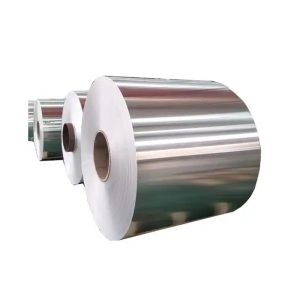
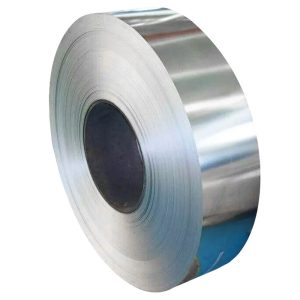
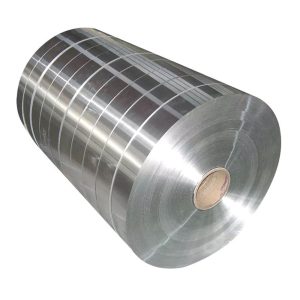
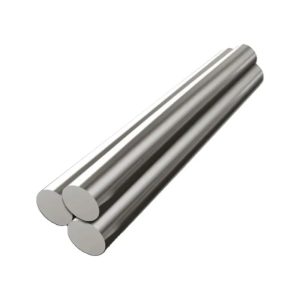
The automotive industry is undergoing rapid change driven by fuel efficiency goals, electrification, and stricter emissions standards. Aluminum alloy has become a strategic material across many vehicle systems because it combines low density with attractive mechanical and physical properties. This guide summarizes why aluminum alloys are used in vehicles, including common grades and manufacturing processes, typical applications, and selection considerations for engineers and procurement teams worldwide.
Why aluminum alloy?
Aluminum alloys offer a balance of properties that make them ideal for automotive use:
- Low density / high strength-to-weight ratio — reduces vehicle mass, improving fuel economy and extending EV range.
- Good corrosion resistance — natural oxide film and further surface treatments increase durability in service.
- Excellent thermal conductivity — useful for radiators, condensers and engine cooling components.
- High formability and joinability — extrudable and workable by casting, stamping, forging, and CNC machining.
- Recyclability — aluminum is highly recyclable, supporting sustainability goals.
Common aluminum alloy families used in vehicles
Different parts require different alloy properties. Typical families include:
- 6xxx series (e.g., 6061, 6063): Aluminum-magnesium-silicon alloys widely used for structural extrusions and welded components because of good strength, formability and corrosion resistance.
- 5xxx series (e.g., 5052, 5083): Magnesium-containing alloys with excellent corrosion resistance and good strength — useful in panels and some body structures.
- 3xx and 1xxx series (e.g., 3003): Often used where formability and corrosion resistance matter more than strength (e.g., heat exchangers).
- 2xxx and 7xxx series (high-strength Al-Cu and Al-Zn alloys): Provide very high strength for high-stress or safety-critical applications (though require careful corrosion management and processing).
- Casting alloys (e.g., A356, 319, 356): Common for wheels, engine blocks and cylinder heads because they cast well and provide the needed mechanical properties after heat treatment.
Key automotive applications
1. Vehicle bodies and structural components
Aluminum is used for outer panels, inner structures, and structural members to reduce vehicle weight while maintaining crashworthiness. Modern mixed-material body designs pair aluminum with high-strength steels and composites to optimize cost and performance.
2. Wheels
Alloy wheels (often cast or flow-formed from Al-Si-Mg alloys) are much lighter than steel alternatives, improving unsprung mass, handling and fuel economy. Aluminum wheels also allow more complex shapes and attractive finishes.
3. Engine components & heat exchangers
Cylinder heads, intake manifolds, radiators and condensers benefit from aluminum’s thermal conductivity and corrosion resistance. Cast aluminum alloys are widely used where complex coolant passages and heat dissipation are needed.
4. Suspension and chassis parts
Control arms, knuckles, subframes and other suspension parts can be made from extruded or forged aluminum to cut weight while meeting strength and fatigue requirements.
5. Brake components
High-performance brake calipers and some carrier parts are manufactured from high-strength aluminum alloys to save weight and tolerate elevated temperatures.
6. Electric vehicle (EV) structural & battery systems
Aluminum is critical for EV battery enclosures, crash energy management and lightweight chassis modules — all of which help improve range and safety.
7. Interior, trim and decorative elements
Anodized or painted aluminum is used for interior trims, bezels and external trim pieces where appearance and corrosion resistance are important.
Manufacturing & joining methods
Automotive parts are produced using a range of aluminum fabrication techniques:
- Extrusion — for long, uniform cross-section profiles (roof rails, crash beams).
- Casting (sand, die, gravity, low-pressure) — for wheels, cylinder heads, housings.
- Sheet stamping and deep drawing — for body panels and floor pans.
- Forging and machining — for high-load components requiring superior grain structure and fatigue life.
- Joining: welding (MIG/TIG, friction stir welding), adhesive bonding, rivets and mechanical fasteners are all used depending on alloy and part design. Surface pre-treatment and post-weld heat treatments are often required.
Design & selection considerations
When choosing an aluminum alloy for automotive use, evaluate:
- Mechanical needs: tensile/yield strength, fatigue life, impact resistance.
- Corrosion exposure: coastal or deicing salt exposure favors more corrosion-resistant alloys or coatings.
- Formability: complex shapes may require more ductile alloys or special forming sequences.
- Weight vs cost: high-strength alloys can reduce mass but increase material and processing costs.
- Joining and repairability: some alloys weld better than others; the planned joining method impacts alloy choice.
- Surface finish requirements: anodizing, painting, or plating may be needed for aesthetics or protection.
- Regulatory / recycling targets: consider end-of-life recycling pathways and supplier traceability.