What is Aluminum?

Aluminum is a silvery-white, lightweight, and versatile metal known for its corrosion resistance, strength-to-weight ratio, and excellent conductivity. It is the third most abundant element in the Earth’s crust, making it one of the most widely used non-ferrous metals across industries such as construction, transportation, aerospace, packaging, and electronics.

Despite its natural abundance, aluminum is never found in pure form in nature. It is extracted from bauxite ore through the Bayer and Hall-Héroult processes, resulting in pure aluminum or various alloys tailored for specific applications.

Key Properties of Aluminum

PropertyDescription
Density2.70 g/cm³ (about one-third the weight of steel)
Melting Point660.3°C (1220.5°F)
Thermal ConductivityExcellent (235 W/m·K)
Electrical ConductivityApproximately 61% of copper
Corrosion ResistanceHigh, due to natural oxide layer
Malleability & DuctilityEasily formed into sheets, foils, wires
Non-MagneticIdeal for electronics and sensitive environments
Recyclability100% recyclable without degradation in quality

Types of Aluminum

Aluminum is commonly classified into wrought alloys and cast alloys, further categorized by series numbers. Here’s a summary of the main aluminum alloy series:

Wrought Aluminum Alloy Series

SeriesAlloying ElementCharacteristicsExamples
1xxx≥99% AluminumExcellent corrosion resistance and conductivityElectrical wires, chemical equipment
2xxxCopperHigh strength, less corrosion resistantAircraft structures
3xxxManganeseGood workability, moderate strengthRoofing, cookware
4xxxSiliconWear resistance, lower thermal expansionAutomotive engine blocks
5xxxMagnesiumExcellent corrosion resistance, weldabilityMarine, pressure vessels
6xxxMagnesium + SiliconMedium strength, good corrosion resistanceConstruction, pipelines
7xxxZincVery high strengthAerospace, military applications

Cast Aluminum Alloys

Used for complex shapes via casting. Common series include:
  • A356 (Silicon + Magnesium)
  • 319 (Silicon + Copper)
  • 535 (Magnesium)

Common Forms of Aluminum Products

Product Form Description Use Cases
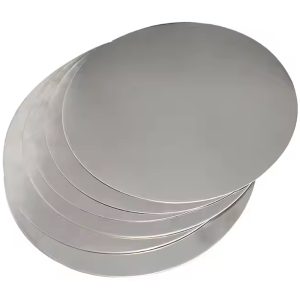
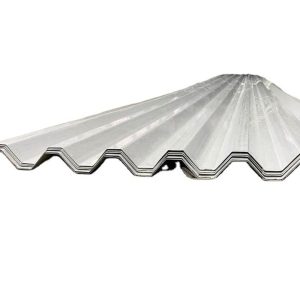
Aluminum Sheet & Plate Flat-rolled products used in panels and covers Aerospace skins, trailers, enclosures
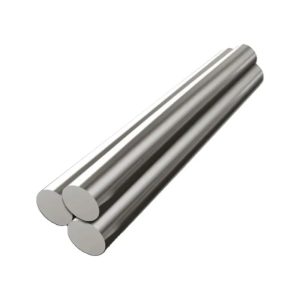
Aluminum Bar & Rod Solid profiles of various shapes Structural framing, fasteners
Aluminum Tube & Pipe Hollow profiles Heat exchangers, transportation
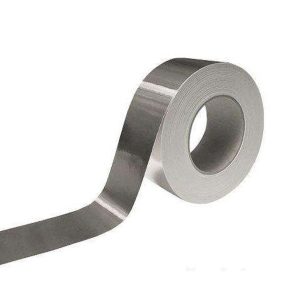
Aluminum Foil Thin rolled aluminum (≤0.2 mm) Packaging, insulation
Aluminum Extrusions Custom cross-sectional profiles Window frames, machinery components
Aluminum Castings Intricate forms made by pouring molten aluminum Automotive parts, housings

Applications of Aluminum

1. Construction & Architecture

  • Window frames, curtain walls, roofing
  • Lightweight panels, structural elements
  • Reflective insulation and decorative features

2. Transportation

  • Automotive: body panels, engine components
  • Aerospace: fuselages, wing skins, interior structures
  • Marine: boat hulls, decks, gangways
  • Rail: passenger car bodies, freight containers

3. Electrical & Electronics

  • High-voltage transmission lines (overhead cables)
  • Heat sinks, LED housings, mobile phone cases
  • Conductive tracks in printed circuit boards (PCBs)

4. Packaging

  • Beverage cans, food trays, bottle caps
  • Pharmaceutical blister packs
  • Aluminum foil for flexible packaging

5. Industrial & Machinery

  • Manufacturing equipment frames
  • Hydraulic systems and heat exchangers
  • Pneumatic actuator parts

6. Consumer Goods

  • Laptops, smartphones, appliances
  • Sports gear, furniture, cookware

Benefits of Using Aluminum

Advantage Benefit
Lightweight Reduces transportation costs and improves fuel efficiency
Corrosion Resistant Ideal for outdoor and marine applications
Recyclable Eco-friendly and cost-effective material reuse
Good Strength-to-Weight Ratio Ideal for aerospace and transport
Formability Can be rolled, extruded, or cast into complex shapes
Electrical Conductivity Used in power lines and electrical components
Aesthetic Appeal Smooth, modern surface for architectural designs

Aluminum vs. Other Metals

Property Aluminum Steel Copper
Density 2.7 g/cm³ 7.8 g/cm³ 8.9 g/cm³
Conductivity ~61% of copper Lower than Al Excellent
Corrosion Resistance High Moderate (prone to rust) Moderate (with patina)
Magnetic No Yes No
Recyclability Excellent Good Excellent

Surface Treatments & Finishes

To enhance performance and aesthetics, aluminum can undergo:
  • Anodizing: Increases corrosion resistance and allows coloring
  • Powder Coating: Adds color and durability
  • Polishing: Creates a reflective or mirror-like surface
  • Brushing: Gives a matte texture
  • Chemical Etching: Used in electronics and microfabrication

Environmental Impact and Sustainability

  • 100% Recyclable: Aluminum can be recycled infinitely without losing quality
  • Low Carbon Footprint: Recycling aluminum uses 95% less energy than producing primary aluminum
  • Green Building Material: Widely used in LEED-certified construction

Standards and Specifications

Aluminum products are governed by international and regional standards:

StandardOrganizationDescription
ASTM B209ASTM InternationalAluminum and Aluminum-Alloy Sheet and Plate
EN 573/485European NormAluminum alloy grades and mechanical properties
AAAluminum AssociationAlloy designation system
ISO 6361ISOWrought aluminum and aluminum alloy plates, sheets, and strips

Frequently Asked Questions (FAQ)

1. What is aluminum used for?

Aluminum is used in construction, transportation, packaging, electronics, aerospace, and countless other industries due to its lightweight, strength, and corrosion resistance.

2. What are the different grades of aluminum?

Aluminum grades are categorized by alloy series (1xxx to 7xxx), each with specific alloying elements and properties. Common examples include 6061, 7075, and 5052.

3. Is aluminum stronger than steel?

Aluminum is not as strong as steel by weight, but its strength-to-weight ratio is excellent, making it ideal for applications where weight saving is crucial.

4. Is aluminum rust-proof?

Yes, aluminum doesn’t rust like steel. It forms a natural oxide layer that protects it from corrosion, especially in air and mild water exposure.

5. What is the difference between cast and wrought aluminum?

Wrought aluminum is mechanically worked into shape (rolling, extrusion), while cast aluminum is poured into molds. Wrought alloys are generally stronger and more ductile.

6. Can aluminum be welded?

Yes, aluminum can be welded using specialized methods such as TIG or MIG welding, though it requires more skill than welding steel.

7. What is anodized aluminum?

Anodized aluminum has an electrochemically formed oxide layer that enhances corrosion resistance and allows decorative coloring.

8. How recyclable is aluminum?

Aluminum is 100% recyclable, and nearly 75% of all aluminum ever produced is still in use today.

9. What are the most common aluminum alloys?

Common aluminum alloys include 6061 (structural), 5052 (marine), 2024 (aerospace), and 7075 (high strength applications).

10. Is aluminum safe for food contact?

Yes, aluminum is widely used in food packaging and cookware. Anodized aluminum is especially safe and non-reactive.

Conclusion

Aluminum is a lightweight, corrosion-resistant, and highly adaptable material that plays a foundational role in modern industry and engineering. From structural frameworks to consumer electronics and sustainable packaging, its versatility and recyclability make it a preferred choice across sectors.

Whether you’re sourcing raw aluminum stock, precision aluminum components, or need technical support for selecting the right alloy, understanding aluminum’s properties and potential applications is critical to engineering success.

Leave a Reply

Your email address will not be published. Required fields are marked *

Get Your Next Project Done!

China Steel Supplier & Manufacturer

THE LARGEST METALS MANUFACTURING

GengFei Steel is a professional “Steel Supplier” located in China, we provide supply service of stainless steel, carbon steel, aluminum and other metal materials.

As an industry-leading company, we are committed to providing our customers with the highest quality raw materials backed by first-class customer service and support. Our wide range of supply includes all kinds of stainless steel plate, tube, wire rod and carbon steel plate, tube, bar and so on. Our team of experienced professionals can help you choose the material that best suits your project needs and ensure your order is delivered on time. Our clients range from small businesses to large manufacturers, and we can provide professional service and support no matter the size of your needs.