6063 Aluminum Tubes: A Practical Guide for Buyers, Fabricators, and Engineers

6063 aluminum tube is one of the most widely specified aluminum tubing materials for applications that need a clean surface, good corrosion resistance, solid weldability, and attractive anodizing results. It is a heat-treatable magnesium-silicon alloy, commonly identified in European designation form as EN AW-6063 / AlMg0.7Si. The alloy is especially common in architectural, decorative, electrical, and light structural tubing applications.

What Is 6063 Aluminum Tube?

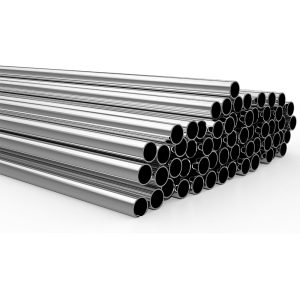
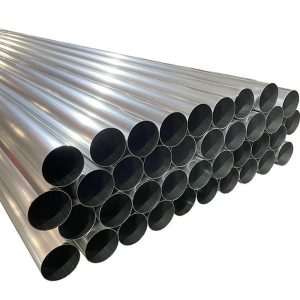
6063 aluminum tube is an extruded hollow aluminum product made from alloy 6063. ASTM B221 covers aluminum and aluminum-alloy extruded bars, rods, wire, profiles, and tubes for general-purpose extrusion applications. For pressure-service products, ASTM B241/B241M covers aluminum-alloy seamless pipe and seamless extruded round tube. In practice, that means many standard 6063 tubes are ordered to ASTM B221, while seamless pressure tubing may be specified to ASTM B241/B241M instead.

This distinction matters because many buyers casually say “tube” when they actually mean very different products. A general extruded architectural or structural tube is not the same thing as a seamless pressure tube, even if both are 6063. Getting the standard right on the purchase order avoids inspection and compliance problems later.

6063 Aluminum Tube Chemical Composition

6063 is an aluminum-magnesium-silicon alloy. Typical composition limits shown in 6063 tubing and extrusion datasheets are:

  • Silicon (Si): 0.20–0.60%

  • Magnesium (Mg): 0.45–0.90%

  • Iron (Fe): max 0.35%

  • Copper, manganese, chromium, zinc, titanium: generally max 0.10% each

  • Other elements: max 0.05% each, max 0.15% total

  • Aluminum: remainder

The Aluminum Association designation system also identifies 6063 by the former ISO style AlMg0.7Si, which lines up with the idea that magnesium and silicon are the key alloying elements that define this grade.

Common Tempers: 6063-T5 vs 6063-T6

For tubing, the two tempers buyers see most often are T5 and T6.

6063-T5 is commonly used when good surface finish and moderate strength are needed. Kaiser lists typical values around 185 MPa ultimate tensile strength, 145 MPa yield strength, and 12% elongation for T5. AED Motorsport lists very similar typical values for 6063-T5 square and rectangular tube: 27,000 psi tensile, 21,000 psi yield, and 12% elongation.

6063-T6 is the higher-strength common temper. Kaiser lists typical T6 values around 240 MPa ultimate tensile strength, 215 MPa yield strength, and 12% elongation. European EN 755-2 datasheet values also show T6 above T5, with minimum mechanical properties varying by wall thickness.

If forming is important, T4 is also worth knowing. The EN AW-6063 datasheet specifically notes T4 temper for bending, which is useful when the customer plans to form the extrusion and then continue processing afterward.

Physical Properties of 6063

Typical physical-property data for EN AW-6063 includes a density of about 2700 kg/m³, thermal conductivity around 200–220 W/mK, and modulus of elasticity around 69,500 N/mm². These values help explain why 6063 tubing is useful in lightweight frames, heat-related assemblies, and electrical-support components where aluminum’s low density is an advantage.

Surface Finish and Anodizing

One of the biggest reasons customers choose 6063 tubing over stronger alloys is surface quality. Kaiser explicitly notes that 6063’s finer grain structure helps produce more attractive anodized results than 6061. The EN AW-6063 datasheet also rates decorative anodizing and hard/protective anodizing very favorably.

That makes 6063 especially suitable for visible finished products such as:

  • handrails

  • trims

  • display systems

  • furniture frames

  • window and door components

  • decorative square and rectangular tubing

If the final product will be anodized, powder coated, or used in a customer-facing architectural environment, 6063 is often a safer commercial choice than simply defaulting to 6061.

Weldability and Fabrication

6063 is generally considered a good welding alloy. Kaiser rates its weldability strongly, and the EN datasheet gives favorable ratings for TIG and MIG welding. It also shows that 6063 has good extrusion workability and reasonable machining behavior, though it is usually chosen more for surface finish and forming convenience than for maximum machinability.

In practical shop terms, 6063 tubing is commonly selected when the project needs:

  • clean extruded geometry

  • easy cutting and fabrication

  • good weld response

  • strong post-finish appearance

Common Shapes and Applications

6063 Aluminum Tubes application

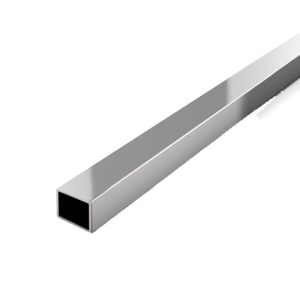
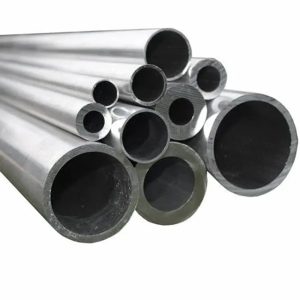
6063 tubing is available in round, square, and rectangular forms. AED’s product sheet specifically covers 6063-T5 square and rectangle tube, noting that these shapes are typically produced as extruded tube and commonly ordered in stock lengths or cut pieces.

Typical end uses include:

  • architectural tubing

  • air cylinder tubing

  • electrical bus conductor

  • doors and windows

  • lighting

  • furniture

  • decorative and finished assemblies

For many buyers, this is the real dividing line: if the project is mostly about appearance, corrosion resistance, and easy extrusion into clean shapes, 6063 is usually high on the shortlist.

6063 Aluminum Tube vs 6061 Aluminum Tube

6063 and 6061 are often compared because both are heat-treatable 6xxx alloys, but they are not chosen for exactly the same reasons.

Kaiser states that 6063 has a finer grain structure than 6061, which helps with better anodized appearance, while AED notes that 6063 is similar to 6061, with slightly lesser strength. That is a good commercial summary: 6061 usually wins on strength, while 6063 often wins on finish quality and extrusion appearance.

So the quick rule is simple:

  • Choose 6063 when appearance, anodizing, and clean extrusion are priorities.

  • Choose 6061 when higher structural strength matters more than decorative finish.

How to Specify 6063 Aluminum Tubes Correctly

A clean purchase order for 6063 aluminum tubing should include:

  • Alloy and temper: 6063-T5, 6063-T6, or other required temper

  • Tube shape: round, square, or rectangular

  • Size details: OD, wall thickness, width/height, length

  • Applicable standard: ASTM B221 for general extruded tube, or ASTM B241/B241M for seamless pressure-related round tube/pipe where required

  • Finish requirement: mill finish, anodized, powder coated, etc.

  • Documentation: MTR / certificate requirement

  • Tolerance and cut length requirement if the part is for fabrication or resale

This matters even more in export business. A buyer in one market may casually ask for “6063 aluminum pipe,” while the actual application calls for architectural rectangular tube to ASTM B221. Another buyer may need seamless round tube for pressure use, which pushes the order toward ASTM B241/B241M. The more exact the order language, the fewer surprises after shipment.

FAQ

Is 6063 aluminum tube strong?

Yes, but it is generally considered a medium-strength aluminum extrusion alloy rather than a high-strength one. T6 is stronger than T5, and both are commonly used in light structural, architectural, and fabricated tube applications.

Is 6063 good for anodizing?

Yes. This is one of its best-known advantages. Both Kaiser and EN-style datasheets highlight 6063’s strong anodizing response and attractive finished appearance.

What standard covers 6063 aluminum tubing?

For general extruded tubing, ASTM B221 is the key standard. For seamless pipe and seamless extruded round tube intended for pressure applications, ASTM B241/B241M is the relevant standard.

Is 6063 weldable?

Yes. 6063 is widely described as having good or excellent weldability, especially for common fabrication routes such as TIG and MIG.

What is the difference between 6063-T5 and 6063-T6?

T6 offers higher strength than T5. Typical data from Kaiser shows about 185/145 MPa tensile/yield for T5 versus about 240/215 MPa for T6.

Maybe You Like

Leave a Reply

Your email address will not be published. Required fields are marked *

Get Your Next Project Done!

China Steel Supplier & Manufacturer

THE LARGEST METALS MANUFACTURING

GengFei Steel is a professional “Steel Supplier” located in China, we provide supply service of stainless steel, carbon steel, aluminum and other metal materials.

As an industry-leading company, we are committed to providing our customers with the highest quality raw materials backed by first-class customer service and support. Our wide range of supply includes all kinds of stainless steel plate, tube, wire rod and carbon steel plate, tube, bar and so on. Our team of experienced professionals can help you choose the material that best suits your project needs and ensure your order is delivered on time. Our clients range from small businesses to large manufacturers, and we can provide professional service and support no matter the size of your needs.