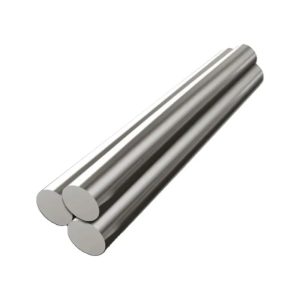
What is an Aluminum Bar?
Aluminum bar is a solid, extruded or rolled product made from aluminum or aluminum alloys, commonly used in construction, manufacturing, and engineering industries. Available in various shapes and grades, aluminum bars are known for their lightweight, corrosion resistance, excellent strength-to-weight ratio, and superb machinability.
Whether you’re designing structural components, automotive parts, or precision-machined tools, aluminum bar stock offers a versatile solution for a wide range of applications.


Common Types of Aluminum Bars
Aluminum bars come in different shapes and alloy types. Below is a breakdown of the most commonly used varieties.
By Shape
| Type | Description |
|---|---|
| Flat Bar | Rectangular cross-section. Ideal for bracing, supports, brackets, and construction frameworks. |
| Square Bar | Square cross-section. Commonly used for architectural and structural purposes. |
| Rectangular Bar | Elongated flat bar used for frames and structural support. |
| Hex Bar | Six-sided bar used in fasteners, shafts, and precision components. |
| Round Bar | Typically referred to as “rod,” used in shafts, pins, and general machining. |
By Alloy
| Alloy Grade | Key Features | Applications |
|---|---|---|
| 1060 | Commercially pure, excellent electrical conductivity | Electrical and chemical equipment |
| 2024 | High strength, poor corrosion resistance | Aerospace structures |
| 5052 | Excellent corrosion resistance, weldable | Marine and fuel tanks |
| 6061 | Most popular, weldable, corrosion-resistant | General engineering, automotive |
| 6082 | High strength, corrosion resistant | Structural applications |
| 7075 | Extremely strong, limited weldability | Aerospace, high-stress parts |
Steel One Stop Available Grades
Standard Sizes of Aluminum Bar
Aluminum bars can be manufactured in standard and custom dimensions to suit project requirements.
Flat Bar (Width x Thickness)
| Size (mm) | Length (mm) |
|---|---|
| 20 × 3 | 6000 |
| 25 × 5 | 6000 |
| 40 × 6 | 6000 |
| 50 × 10 | 6000 |
| Custom sizes | On request |
Square Bar
| Size (mm) | Length (mm) |
|---|---|
| 10 × 10 | 6000 |
| 20 × 20 | 6000 |
| 30 × 30 | 6000 |
* We offer custom-cut lengths, surface finishes, and special tolerances.
Applications of Aluminum Bar
Aluminum bars are found in a wide variety of industrial and commercial uses.
Production Process of Aluminum Bar
1. Casting
Pure aluminum or alloyed ingots are melted and cast into billets suitable for extrusion or rolling.
2. Extrusion / Rolling
Bars are extruded or hot-rolled into desired shapes using specialized dies.
3. Heat Treatment
Depending on the alloy (e.g., 6061-T6), heat treatment enhances mechanical properties.
4. Surface Finishing
Optional processes include:
-
Anodizing
-
Brushing
-
Polishing
-
Powder coating
5. Precision Cutting
Bars are cut to length as per client specifications, with options for tight tolerances.
How to Choose the Right Aluminum Bar?
When selecting aluminum bar stock, consider the following factors:
-
Application Requirements – Determine strength, corrosion resistance, or conductivity needs.
-
Alloy & Temper – Choose an alloy grade and hardness level suitable for your use.
-
Size & Tolerances – Confirm dimensional requirements and fit with mating parts.
-
Weldability – Alloys like 6061 offer excellent weldability, while 7075 may not.
-
Certification – For critical projects, ensure compliance with ASTM, EN, or ISO standards.
-
Supplier Reliability – Opt for suppliers with quality assurance, test reports, and machining services.
FAQ About Aluminum Bars
Q1: Is aluminum bar stronger than steel?
No. Steel is generally stronger than aluminum, but aluminum offers an excellent strength-to-weight ratio and is much lighter, making it suitable for lightweight structures.
Q2: Can aluminum bar be welded?
Yes, especially grades like 6061 and 5052. However, high-strength alloys like 7075 are more difficult to weld.
Q3: Is aluminum bar corrosion-resistant?
Yes. It naturally forms an oxide layer that resists rust and corrosion, especially useful in marine and outdoor applications.
Q4: Can I use aluminum bar for electrical projects?
Absolutely. Pure aluminum (e.g., 1060) and some alloys offer good electrical conductivity and are widely used in busbars and connectors.
Q5: What are the standard lengths of aluminum bar?
Most aluminum bars are available in 6-meter (6000 mm) lengths, but custom lengths can be cut on request.
Why Global Clients Choose Us?
Henan Gengfei Industrial Co., Ltd. is China’s leading supplier of steel and other metal products. Our company is dedicated to providing its customers with the quick quotes, superior quality products, competitive prices and fastest possible deliveries.
Direct Mill Partnerships
Long-term collaborations with leading steel mills secure preferential pricing on steel, ensuring up to 15% cost savings versus competitors.
Certified Quality
Strict adherence to ASTM, EN, and JIS standards, backed by mill test reports (MTRs) for every batch.
Dynamic Pricing
Real-time adjustments to market fluctuations (e.g., iron ore prices) guarantee fair quotes.
Dedicated Account Managers
24/7 technical and logistical assistance via email, WhatsApp, or WeChat.
Bulk Orders
5–10% discounts for 50+ ton purchases. Annual rebates up to 3% for repeat clients.
Dedicated Account Managers
Custom cutting, slitting, and coating services to match project-specific needs (e.g., ±0.1mm thickness tolerance).
Request an Appointment
Looking for a reliable supplier of aluminum bars in various shapes and alloys? Contact us for technical consultation, pricing, and delivery options. We provide OEM, bulk orders, and international shipping.