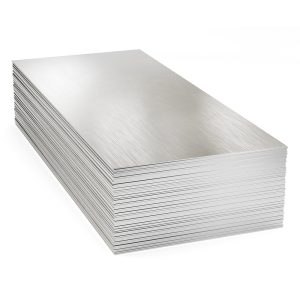
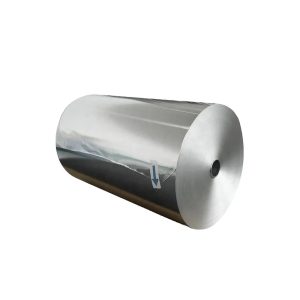
Aluminium Coil is a continuous, rolled strip of aluminium wound into a compact roll, typically produced through hot or cold rolling processes. These coils range in thickness from ultra-thin foils (0.006 mm / 0.0002 inches) to thicker gauges (6 mm / 0.24 inches) and are prized for their adaptability in high-volume manufacturing. Aluminium coils offer efficient handling, transportation, and processing for industries requiring continuous material feeding, such as automotive or construction.
Product Description
| Product |
Aluminium Coil |
| Thickness Range |
0.006 mm – 6 mm (0.0002″ – 0.24″) |
| Width Range |
100 mm – 2,500 mm (4″ – 98″) |
| Inner Diameter (ID) |
150 mm, 300 mm, 505 mm, or custom (6″, 12″, 20″) |
| Outer Diameter (OD) |
Up to 2,000 mm (78″), depending on thickness and weight |
| Common Alloys |
1050, 1060, 3003, 5052, 6061, 8011 |
| Temper Designations |
O (annealed), H12/H14/H16/H18 (strain-hardened), T4/T6 (heat-treated) |
| Surface Finishes |
Mill finish, embossed, painted, anodized, or laminated |
| Standards |
ASTM B209, EN 485, JIS H4000 |
Key Properties by Alloy:
1xxx Series (e.g., 1050): High corrosion resistance, electrical conductivity.
3xxx Series (e.g., 3003): Manganese-enhanced strength for forming and welding.
5xxx Series (e.g., 5052): Magnesium-added for marine-grade durability.
6xxx Series (e.g., 6061): Heat-treatable for structural applications.
8xxx Series (e.g., 8011): Used in packaging foils and heat exchangers.
Chemical Composition of Aluminium Coil (Common Alloys)
Aluminum coils are produced in various alloys, each with unique elemental compositions to suit specific applications. Below are typical compositions for popular alloys (values in weight %):
| Alloy |
Al (%) |
Si (%) |
Fe (%) |
Cu (%) |
Mn (%) |
Mg (%) |
Cr (%) |
Zn (%) |
Others |
| 1050 |
≥99.50 |
≤0.25 |
≤0.40 |
≤0.05 |
≤0.05 |
≤0.05 |
– |
≤0.05 |
Ti ≤0.03 |
| 3003 |
Balance |
≤0.6 |
≤0.7 |
≤0.05–0.20 |
1.0–1.5 |
≤0.10 |
– |
≤0.10 |
– |
| 5052 |
Balance |
≤0.25 |
≤0.40 |
≤0.10 |
≤0.10 |
2.2–2.8 |
0.15–0.35 |
≤0.10 |
– |
| 6061 |
Balance |
0.4–0.8 |
≤0.7 |
0.15–0.40 |
≤0.15 |
0.8–1.2 |
0.04–0.35 |
≤0.25 |
Ti ≤0.15 |
| 8011 |
Balance |
0.4–0.8 |
0.6–1.0 |
≤0.10 |
≤0.10 |
≤0.10 |
– |
≤0.10 |
– |
Notes:
1050/1060: High-purity aluminum for electrical components and reflectors.
3003: Manganese (Mn) improves formability and moderate strength.
5052: Magnesium (Mg) enhances marine-grade corrosion resistance.
6061: Magnesium + silicon (Mg/Si) for heat-treatable structural uses.
8011: Iron (Fe) and silicon (Si) for packaging foils and heat exchangers.
Mechanical Properties of Aluminum Coil
Mechanical properties vary by alloy, temper (e.g., H18, O, T4), and thickness. Below are typical values for common alloys:
| Alloy |
Temper |
Tensile Strength (MPa) |
Yield Strength (MPa) |
Elongation (% in 50mm) |
Hardness (Brinell) |
Density (g/cm³) |
| 1050 |
H18 |
120–150 |
100–130 |
2–5 |
25–35 |
2.71 |
| 3003 |
H14 |
150–200 |
140–185 |
8–15 |
40–55 |
2.73 |
| 5052 |
H32 |
230–280 |
195–245 |
10–15 |
60–75 |
2.68 |
| 6061 |
T6 |
310–330 |
275–300 |
12–17 |
95–100 |
2.70 |
| 8011 |
O |
80–120 |
30–50 |
20–30 |
20–30 |
2.71 |
Key Definitions:
Tensile Strength: Maximum stress the material can withstand while being stretched.
Yield Strength: Stress at which permanent deformation begins.
Elongation: Measure of ductility (% stretch before fracture).
Temper:
H-series (e.g., H18): Strain-hardened for higher strength (e.g., H18 = fully hard).
T-series (e.g., T6): Heat-treated for peak strength.
O: Annealed (softest state, maximum ductility).
Primary Applications of Aluminium Coil
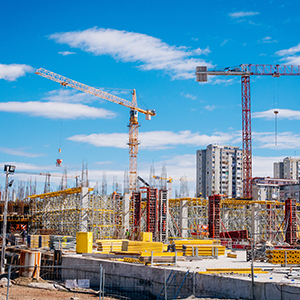
- Construction & Architecture:
Roofing, cladding, gutters, and insulation panels.
Composite panels (ACM) for façades.
- Automotive & Transportation:
Body panels, heat exchangers, and trim components.
Battery enclosures for electric vehicles (EVs).
Beverage can stock, pharmaceutical foils, and food containers.
Flexible packaging laminates.
Heat sinks, capacitor foils, and transformer windings.
Air conditioning fins and ducting systems.
- Industrial Manufacturing:
Lighting reflectors, signage, and decorative trim.
Stampings for appliances and machinery.
Why Choose Aluminium Coil?
√ Cost-Effective Production: Ideal for automated, high-volume processes.
√ Lightweight & Durable: Reduces energy costs in transport and installation.
√ Corrosion Resistance: Performs in harsh environments (e.g., coastal areas).
√ Recyclability: 100% recyclable with no loss of properties.
√ Customization: Available in tailored widths, tempers, and finishes.
Ordering Guidance
Specify the following when ordering:
Alloy and temper (e.g., 3003-H14).
Thickness, width, and coil weight.
Surface finish (e.g., pre-painted or mill finish).
Inner/outer diameter requirements.
If you have any questions about aluminium coils, please contact us!