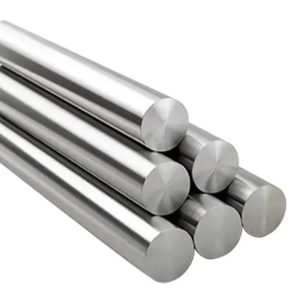
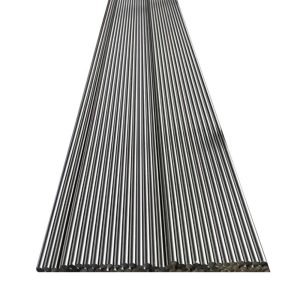
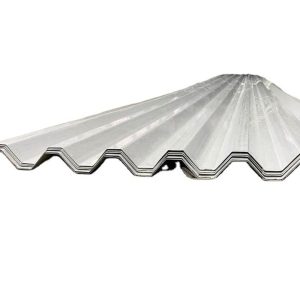
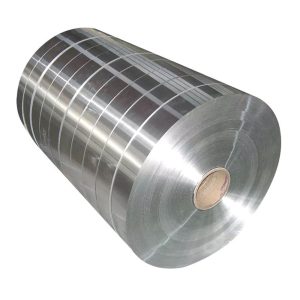
Which metals do not rust?
The short answer is aluminum, copper, brass, bronze and titanium do not form iron rust because they are not iron-based metals. Stainless steel contains iron, but its chromium content creates a protective passive film that makes it highly resistant to rust. Galvanized steel is different again: it is ordinary steel protected by a zinc coating that delays rusting and can sacrificially protect exposed steel.
That distinction matters because “does not rust” does not mean “cannot corrode.”
Aluminum can oxidize. Copper develops a patina. Brass can tarnish or dezincify. Stainless steel can pit in chloride environments. Even highly corrosion-resistant titanium is not universally immune to every chemical environment.
This guide explains seven common rust-resistant metals, why they resist corrosion, where each performs well, and how to choose the right material for outdoor, marine, food-processing and industrial applications.
Quick Answer: What Metals Do Not Rust?
The most common metals and metal products selected for rust resistance include:
| مادی | Does It Rust? | Can It Corrode? | Main Protection Mechanism | برنامه های مشترک |
|---|---|---|---|---|
| فولاد ضد زنگ | Highly rust-resistant, but not completely immune | بله | Chromium-rich passive film | Food equipment, construction, chemical processing, machinery |
| الومینیوم | Does not form iron rust | بله | Aluminum oxide layer | Transportation, structures, marine components, equipment |
| فولاد گالوانیزه | Protected against rust until zinc protection is consumed | بله | Zinc barrier + sacrificial protection | Roofing, cladding, HVAC, structures |
| مس | Does not form iron rust | بله | Protective patina | Roofing, plumbing, electrical, architecture |
| Brass | Does not form iron rust | بله | Copper-alloy surface films | Fittings, valves, decorative components |
| Bronze | Does not form iron rust | بله | Protective patina | Bearings, marine hardware, sculptures |
| تیتانیوم | Does not form iron rust | Yes, but exceptionally resistant in many environments | Stable titanium oxide film | Aerospace, marine, chemical, medical |
For most industrial buyers, however, the real question is not simply “Which metal does not rust?”
A more useful question is:
Which corrosion-resistant metal provides the right combination of corrosion resistance, strength, fabrication performance, availability and cost for my environment?
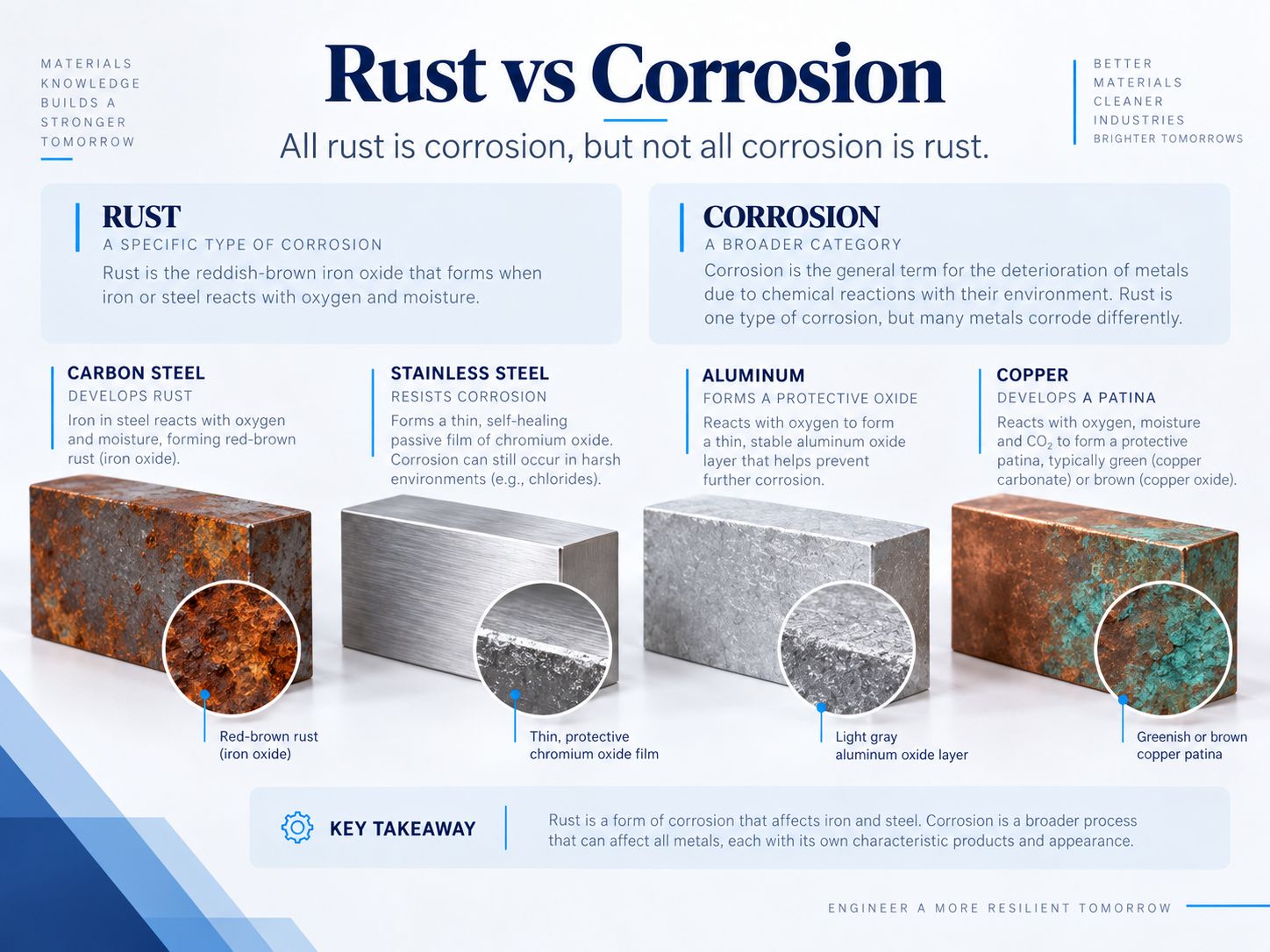
Rust vs Corrosion: They Are Not the Same Thing
The terms rust وت corrosion are often used as if they mean the same thing. Technically, they are different.
Corrosion is the broader term for deterioration of a material through chemical or electrochemical interaction with its environment.
Rust refers specifically to iron-containing corrosion products formed when iron or steel reacts with oxygen and moisture.
از نظر عملی:
- Carbon steel develops reddish-brown rust.
- Stainless steel can suffer pitting, crevice corrosion or surface staining.
- Aluminum forms aluminum oxide.
- Copper develops brown, dark or green corrosion products.
- Brass may tarnish or suffer dezincification.
- Galvanized steel initially corrodes through its zinc layer rather than allowing the underlying steel to rust.
A useful rule is:
All rust is corrosion, but not all corrosion is rust.
This difference becomes important when selecting materials.
Saying that aluminum “does not rust,” for example, does نه mean an aluminum structure can be placed in every chemical, alkaline or marine environment without considering corrosion.
Likewise, calling stainless steel “rust-proof” is misleading. Stainless steel is highly corrosion resistant when the correct grade is selected and the passive surface remains in suitable service conditions, but it can still corrode.
Why Do Some Metals Resist Rust?
There are three main reasons why metals in this list resist rust or corrosion better than ordinary carbon steel.

1. They Are Not Iron-Based Metals
Rust requires iron.
Metals such as:
- الومینیوم
- مس
- Brass
- Bronze
- تیتانیوم
do not produce conventional iron rust.
They may still oxidize or corrode, but their corrosion products are chemically different.
Some of these corrosion products can actually help protect the underlying material.
2. They Form a Passive Protective Film
Some metals naturally react with oxygen and develop an extremely thin, adherent surface film.
Important examples include:
- فولاد ضد زنگ
- الومینیوم
- تیتانیوم
Rather than producing loose, porous rust that continuously exposes fresh metal, these passive films can significantly slow further corrosion.
This phenomenon is called passivationبشر
3. Another Metal Protects the Steel
Galvanized steel uses a different strategy.
The carbon steel substrate itself can rust, but the surface is coated with zinc.
Zinc provides:
- Barrier protection by separating steel from water and oxygen.
- Sacrificial protection because zinc is more electrochemically active than steel and preferentially corrodes around small exposed areas.
This is why galvanized steel remains one of the most practical corrosion-resistant materials for large-scale construction.
1. Stainless Steel
Stainless steel is probably the first material many people think of when searching for a metal that does not rust.
But a more accurate description is:
Stainless steel is highly resistant to rust because it forms a chromium-rich passive surface film, but it is not completely corrosion-proof.
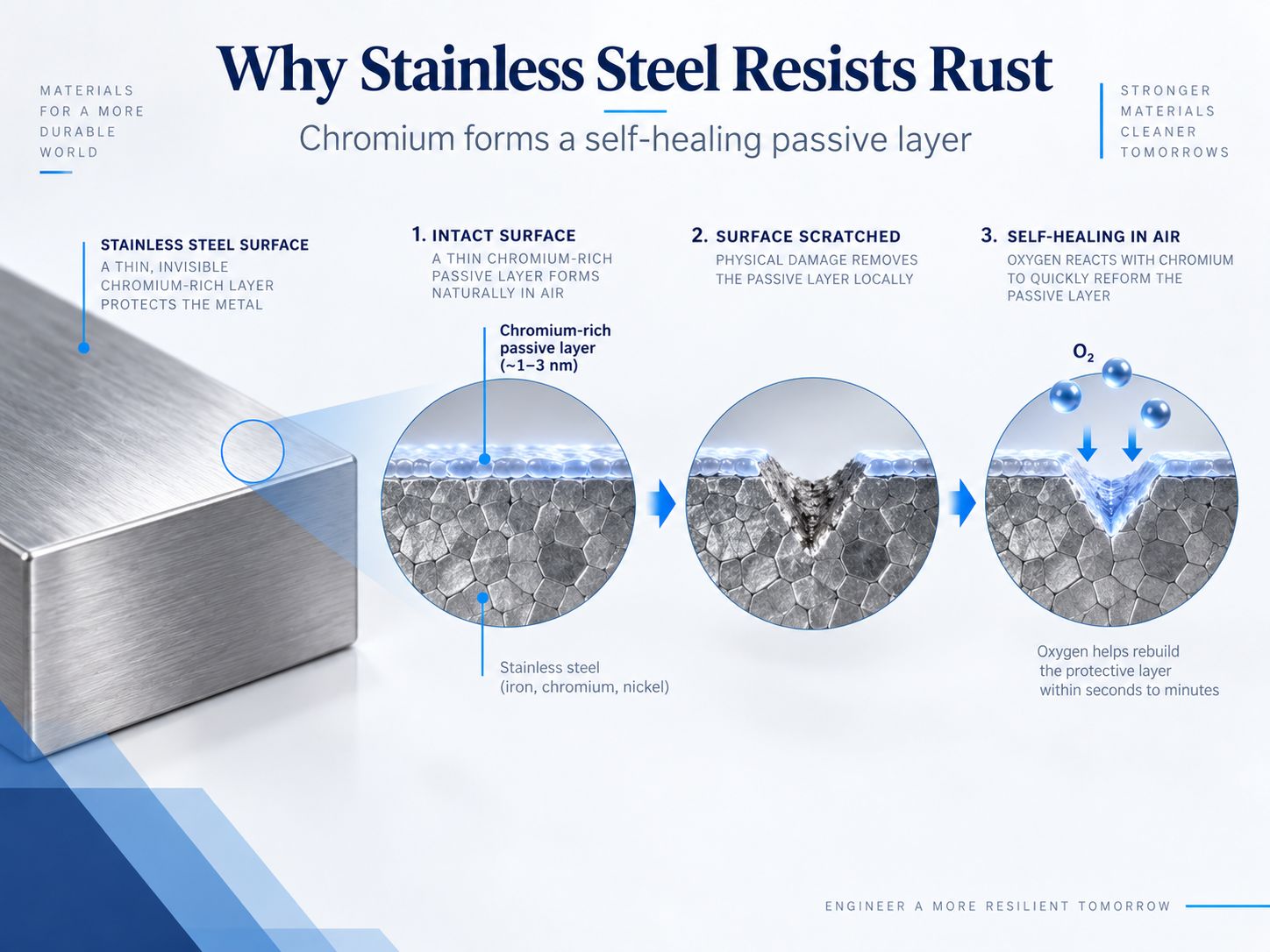
Stainless steels contain enough chromium to form this protective film on their surface.
The film is extremely thin and normally invisible.
When the surface is properly exposed to oxygen, minor disruption of the passive film can be followed by repassivation.
Why Does Stainless Steel Resist Rust?
Ordinary carbon steel exposed to water and oxygen can form iron oxides that are relatively porous and non-protective.
Stainless steel behaves differently.
Chromium in the alloy reacts with oxygen at the surface and creates a stable chromium-rich passive layer. This film separates much of the underlying metal from the environment.
This is one reason stainless steel can remain clean and corrosion resistant for years in suitable conditions without requiring a painted or galvanized coating.
Does Stainless Steel Ever Rust?
Yes.
Stainless steel may develop corrosion or visible rust staining under conditions such as:
- Chloride exposure
- Saltwater and marine atmospheres
- Acidic or aggressive chemical environments
- Crevices with restricted oxygen
- Deposits that retain moisture
- Incorrect grade selection
- Carbon-steel contamination during fabrication
- Poor welding or post-weld surface condition
This is why selecting the correct stainless steel grade matters.
304 vs 316 Stainless Steel
Two of the most common grades are 304 and 316.
| Property / Application | 304 فولاد ضد زنگ | 316 فولاد ضد زنگ |
|---|---|---|
| General corrosion resistance | Excellent for many environments | عالی |
| مولیبدن | No intentional Mo addition | Typically contains Mo |
| مقاومت در برابر کلرید | معتاد | Better than 304 |
| Inland outdoor use | Common | Common |
| Coastal environments | May require careful assessment | Often preferred |
| Food equipment | Widely used | Widely used |
| Marine / chemical service | Application dependent | Usually better starting point |
| هزینه | Usually lower | Usually higher |
For general fabrication, architecture and many food-related applications, 304 or 304L is often adequate.
Where chloride exposure becomes more important, 316 or 316L is frequently the better starting point.
However, even 316 stainless steel should not automatically be considered suitable for every seawater or chemical service condition.
Temperature, chloride concentration, oxygen availability, crevices, surface finish and design all affect corrosion performance.
For stainless tubing applications, see our Stainless Steel Round Tube guide for grades, sizes, seamless vs welded construction and purchasing specifications.
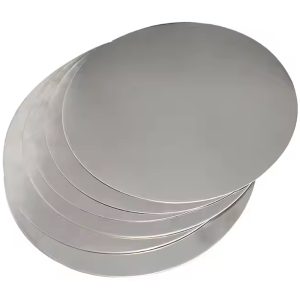
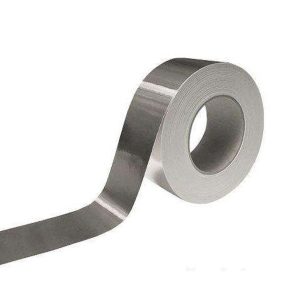
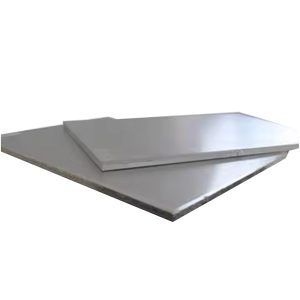
2. Aluminum
Does Aluminum Rust?
No, aluminum does not develop iron rust.
However, aluminum does oxidize and can corrode.
When bare aluminum is exposed to oxygen, its surface rapidly develops a thin aluminum oxide layer.
Unlike the loose rust commonly associated with carbon steel, this oxide layer is tightly bonded to the underlying aluminum and provides protection against further environmental attack in many conditions.

Why Aluminum Works Well Outdoors
Aluminum offers an attractive combination of:
- Low density
- Good atmospheric corrosion resistance
- High strength-to-weight potential
- Good fabrication characteristics
- Good thermal conductivity
- بازیافت
- Wide availability in plate, sheet, extrusion and tube forms
This makes aluminum common in:
- حمل
- سازه های دریایی
- Building façades
- بام
- هوا و فضا
- محفظه های تجهیزات
- قاب
- مبدلهای حرارتی
But alloy selection remains important.
For example, a 5xxx-series aluminum alloy selected for a marine structure is not equivalent to every other aluminum grade.
Environmental conditions, stress, temperature, welding and alloy temper all influence performance.
Steel1Stop supplies multiple commercial and structural aluminum alloys. Buyers comparing plate grades and specifications can review our صفحه آلومینیوم guide.
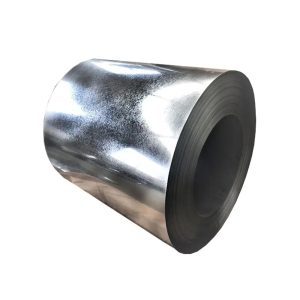
3. Galvanized Steel
Galvanized steel deserves special explanation because technically the steel underneath can rustبشر
Galvanizing protects that steel by applying a zinc coating.
Therefore galvanized steel is better described as:
Rust-resistant steel protected by zinc, rather than a metal that is inherently unable to rust.

How Zinc Protects Galvanized Steel
Zinc provides two important forms of protection.
Barrier Protection
An intact galvanized coating physically separates the carbon steel substrate from:
- Water
- اکسیژن
- Atmospheric contaminants
As long as this barrier remains effective, the underlying steel has much less opportunity to rust.
Sacrificial Protection
Zinc also provides electrochemical protection.
At small scratches, cut edges or other exposed areas, nearby zinc can preferentially corrode instead of the steel.
This is one of the key differences between galvanizing and a simple paint barrier.
Does Galvanized Steel Eventually Rust?
Yes.
Galvanized steel can eventually develop red rust when:
- The zinc coating has been consumed
- Large areas of coating are mechanically removed
- The environment is unusually aggressive
- Chemical exposure rapidly attacks zinc
- The selected coating mass is insufficient for the service environment
Galvanized steel service life therefore depends strongly on:
- Zinc coating mass
- Atmospheric corrosivity
- Moisture exposure
- Pollutants
- Salt exposure
- Design and drainage
- درمان سطحی
- تعمیر و نگهداری
For commercial projects, specifying only “galvanized steel” is not enough.
Buyers should define the steel grade, thickness, width, zinc coating designation, surface treatment and applicable standard.
See our سیم پیچ فولادی گالوانیزه page for Steel1Stop’s current galvanized coil supply options.
4. Copper
Does Copper Rust?
Copper does not form iron rust.
Instead, copper reacts with the atmosphere and gradually develops different surface compounds.
A new copper surface may initially be bright reddish-orange.
With time, exposure can change the color through:
- قهوه ای
- Dark brown
- سیاه
- Blue-green or green patina
The exact appearance depends on moisture, oxygen, sulfur compounds, carbon dioxide, chlorides and other environmental factors.
Is Copper Patina Bad?
Not necessarily.
A mature patina can act as a relatively protective surface layer and help reduce subsequent corrosion rates.
This is one reason old copper roofing and architectural components can remain in service for very long periods.
Copper is commonly used for:
- بام
- Flashing
- لوله کشی
- Electrical conductors
- مبدلهای حرارتی
- Architectural details
However, copper is still susceptible to specific forms of corrosion and must be selected carefully for particular water chemistry or chemical exposure.
5. Brass
Brass is primarily a copper-zinc alloy.
Because it is not an iron-based material, brass does not develop conventional red iron rust.
Its attractive color, machinability and corrosion resistance make it common in:
- Plumbing fittings
- Valves
- اتصالات دریایی
- Hardware
- Instruments
- Decorative components
Can Brass Corrode?
Yes.
Brass can tarnish and can suffer more serious corrosion mechanisms under unsuitable conditions.
One important example is dezincificationبشر
During dezincification, zinc is selectively removed from susceptible brass, leaving behind a porous, copper-rich structure.
The risk depends on:
- Brass composition
- Water chemistry
- دما
- Chlorides
- pH
- Service conditions
So while brass belongs on a list of metals that do not rust, it should not be described as universally corrosion-proof.
6. Bronze
Bronze refers to a family of copper-based alloys, historically associated particularly with copper-tin compositions.
Like copper and brass, bronze does not develop conventional iron rust.
Many bronze alloys perform well in:
- Bearings
- Bushings
- سخت افزار دریایی
- Pumps
- Valves
- Sculptures
- Architectural components
Bronze surfaces can gradually develop protective-looking brown or green patinas.
Some bronze alloys also provide excellent wear properties, which makes them attractive where both friction and corrosion resistance matter.
However, there are many different bronze families.
Aluminum bronze, phosphor bronze and tin bronze, for example, should not be treated as identical materials.
Marine exposure requires selecting the correct alloy rather than simply specifying “bronze.”
7. Titanium
Titanium does not rust like carbon steel.
Its strong corrosion resistance comes largely from a very stable titanium oxide surface film.
Titanium is especially attractive because it combines:
- Excellent corrosion resistance in many environments
- Low density
- نسبت قدرت به وزن
- Good seawater performance for suitable grades
- سازگاری
- High-temperature capability depending on alloy
Applications include:
- هوا و فضا
- Chemical processing
- Offshore systems
- Seawater equipment
- مبدلهای حرارتی
- Medical implants
The main limitation is cost.
Titanium generally costs substantially more than carbon steel, galvanized steel, aluminum or common stainless steels.
It is therefore usually selected where its performance justifies the material and fabrication cost.
What About Weathering Steel?
Weathering steel is sometimes included in lists of “metals that don’t rust.”
Technically, that is incorrect.
Weathering steel does rust.
In fact, controlled rust formation is central to how weathering steel works.
Alloying additions encourage the formation of a relatively dense and adherent corrosion-product layer under suitable alternating wet/dry atmospheric exposure.
That patina can reduce the rate of continued atmospheric corrosion.
So the correct description is:
Weathering steel is not rust-free steel. It is steel designed to develop a more protective rust patina under appropriate service conditions.
It should also not be assumed to work equally well in every environment.
Persistent moisture, marine chloride exposure, poor drainage and sheltered areas can prevent development of the intended protective patina.
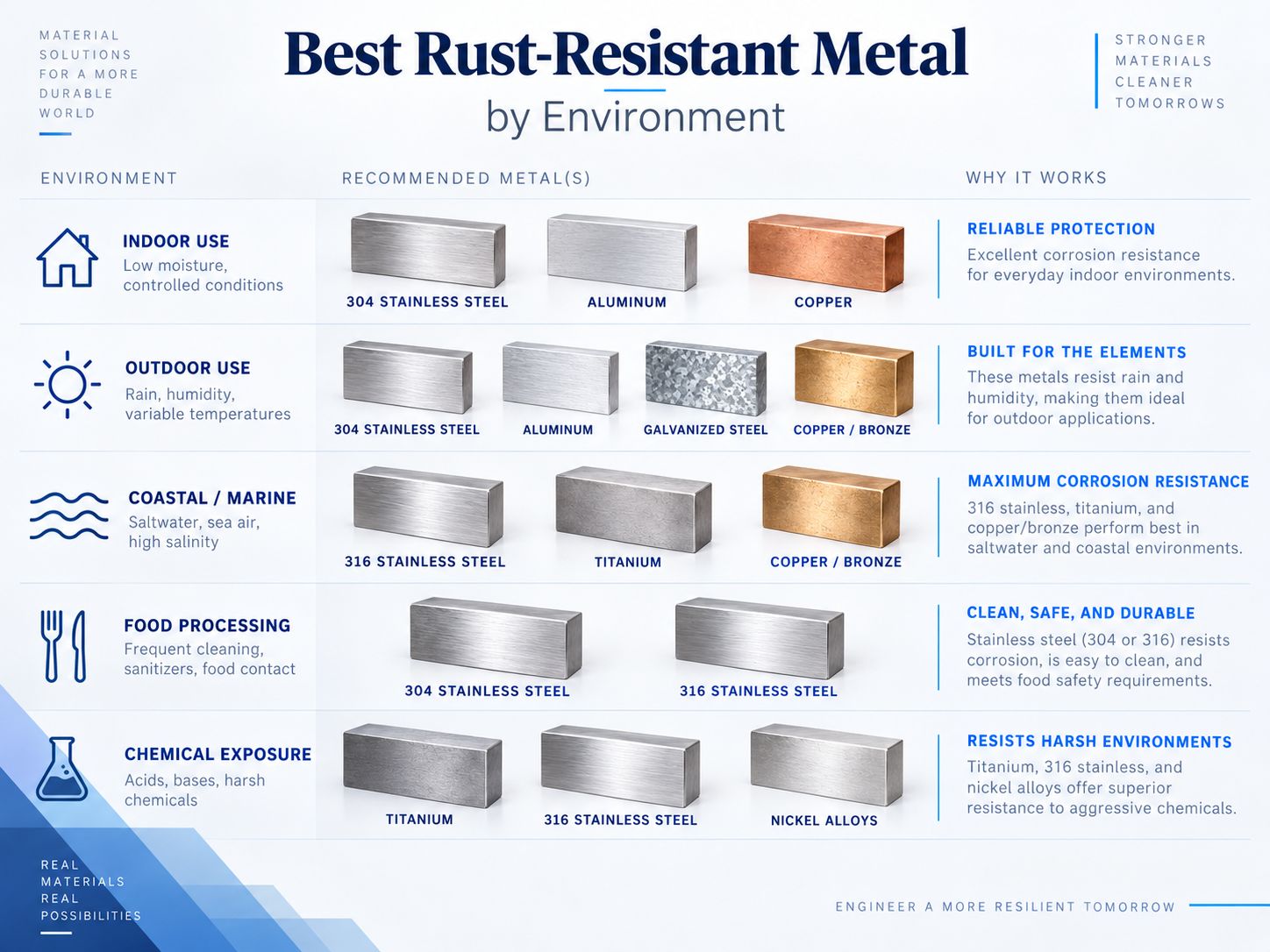
Which Rust-Resistant Metal Should You Choose?
There is no single “best metal that does not rust.”
The right material depends on the environment and engineering requirements.
| Application / Environment | Good Starting Options | چرا |
|---|---|---|
| Indoor general fabrication | 304 stainless steel, aluminum | Good general corrosion resistance |
| Inland outdoor structures | 304 stainless, aluminum, galvanized steel | Good cost/performance options |
| بام و روکش | Galvanized steel, aluminum, stainless steel | Suitable systems provide long atmospheric durability |
| Coastal atmosphere | 316 stainless, suitable aluminum alloys | Better resistance to chloride-containing environments |
| Direct marine / seawater exposure | 316-class or higher stainless, titanium, suitable bronze/copper alloys | Requires more careful chloride resistance |
| Lightweight structures | الومینیوم | Low density and good atmospheric resistance |
| Food equipment | 304 / 316 stainless steel | Cleanability and corrosion resistance |
| Decorative components | Stainless, brass, copper, bronze | Combination of appearance and durability |
| Chemical environments | 316L, higher-alloy stainless, titanium or specialty alloys | Selection depends on exact chemical exposure |
| Cost-sensitive structural applications | فولاد گالوانیزه | Combines steel strength with zinc corrosion protection |
The table should be treated as a starting point, not a final material specificationبشر
Best Metal That Doesn’t Rust for Outdoor Use
For outdoor environments, three of the most commercially important choices are stainless steel, aluminum and galvanized steel.
فولاد ضد زنگ
A strong option where:
- Appearance matters
- Maintenance should be minimized
- Uncoated metallic surfaces are desired
- Hygiene or cleanability matters
304 is common for ordinary atmospheric exposure.
316 is generally more suitable when chloride exposure increases.